
 Availability to be confirmed
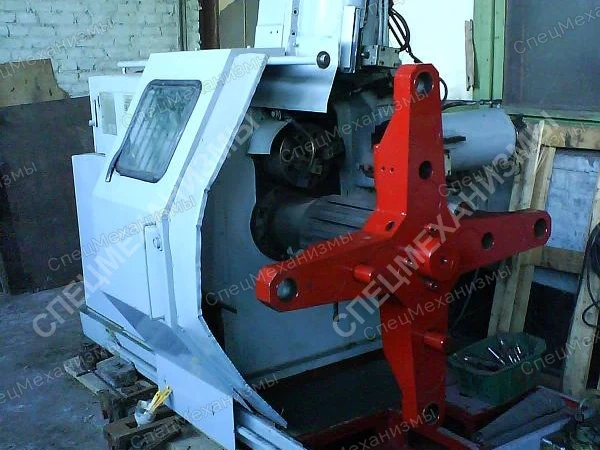
1М425
Turret lathes
- Accuracy class under GOST 8-82
- П
- Maximum workpiece diameter, mm
- 250
- Maximum workpiece length, mm
- 170
Results: 180
Availability to be confirmed
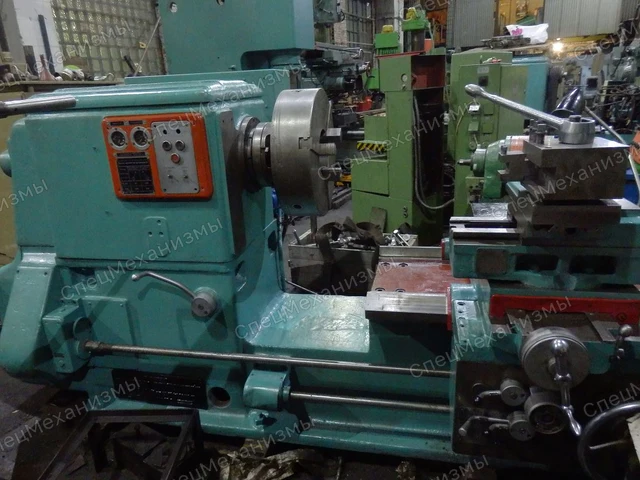
Turret lathes
 Availability to be confirmed
 Availability to be confirmed
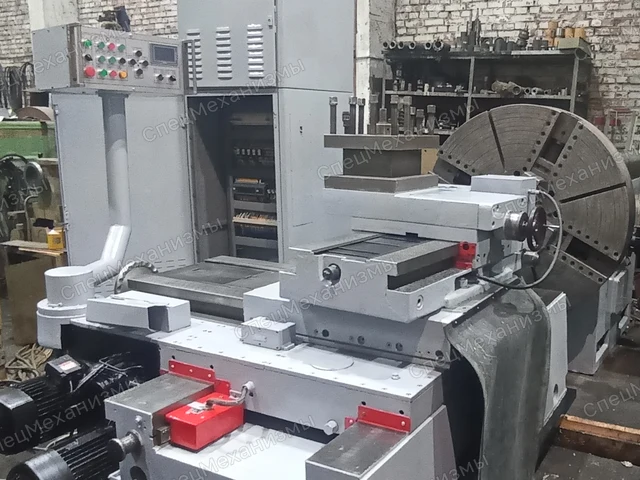
Facing lathes
 Availability to be confirmed
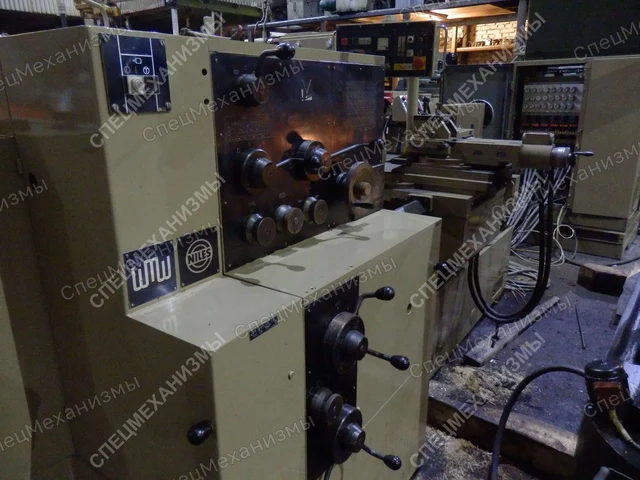
Relieving lathes
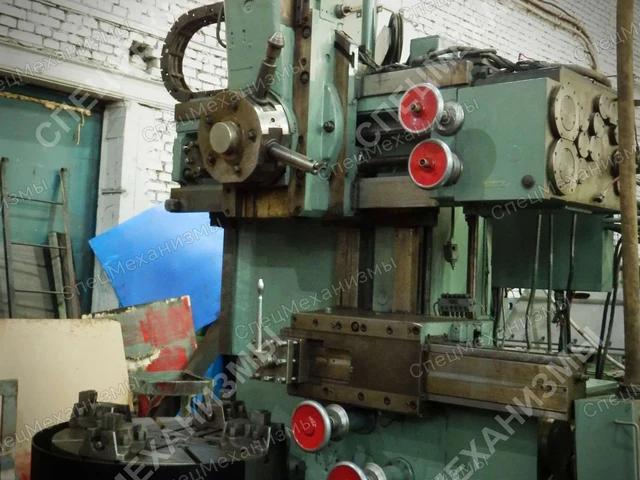 Availability to be confirmed
Vertical turning lathes
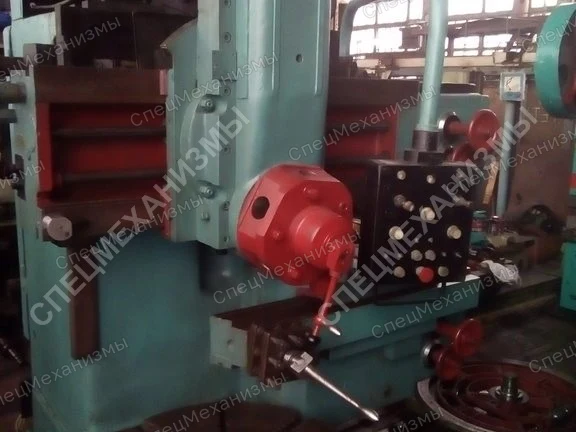 Availability to be confirmed
Vertical turning lathes
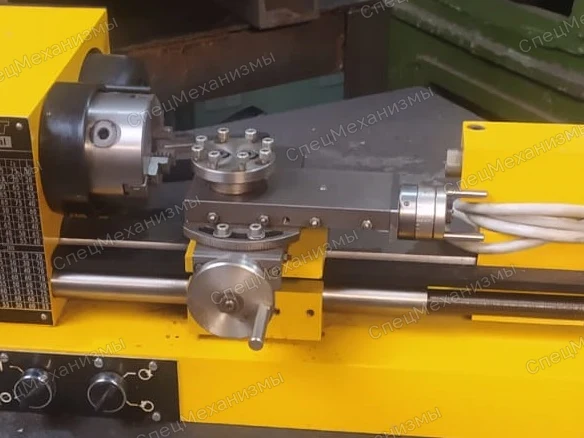 Availability to be confirmed
Bench lathes
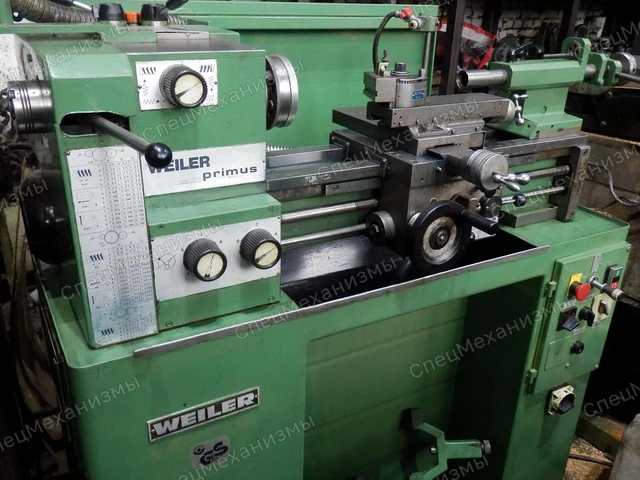 Availability to be confirmed
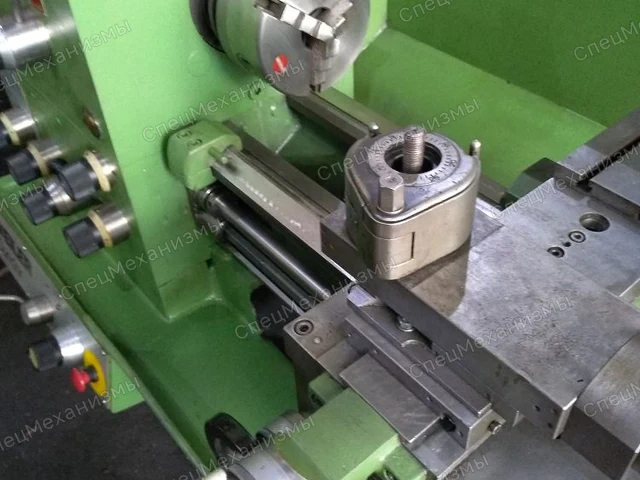
Screw-cutting lathes
 Availability to be confirmed
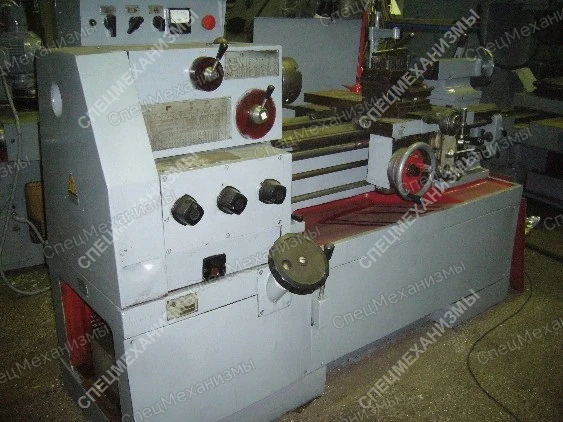
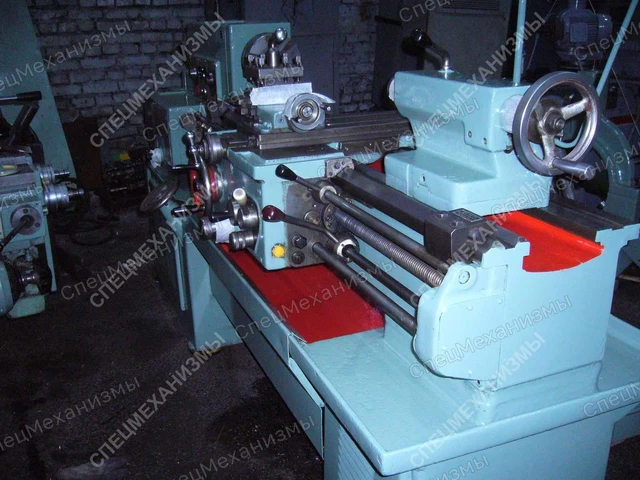
Screw-cutting lathes
 Availability to be confirmed
 Availability to be confirmed
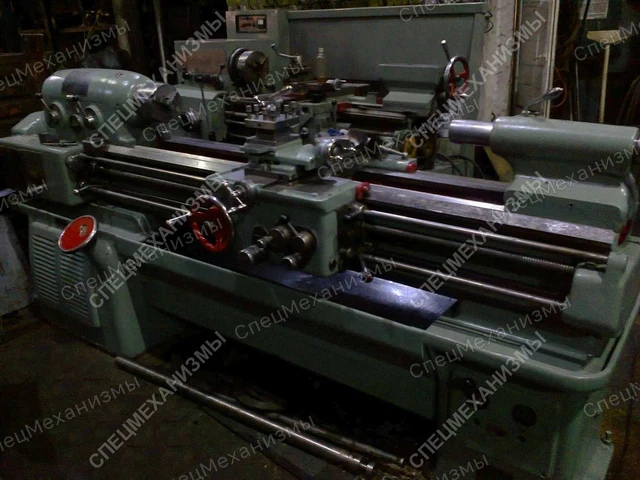
Screw-cutting lathes
 Availability to be confirmed
Screw-cutting lathes
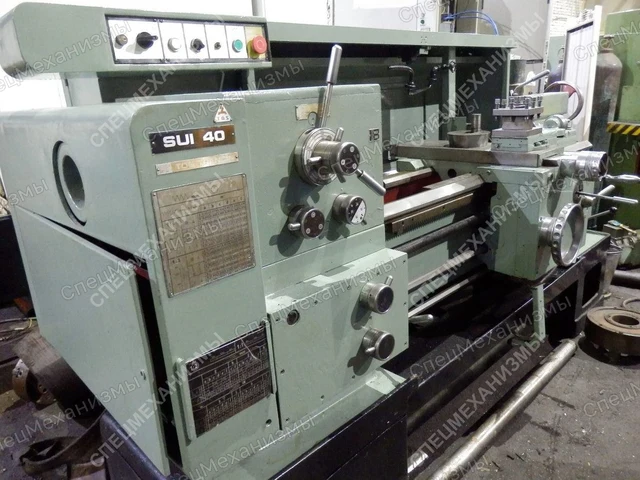 Availability to be confirmed
Screw-cutting lathes
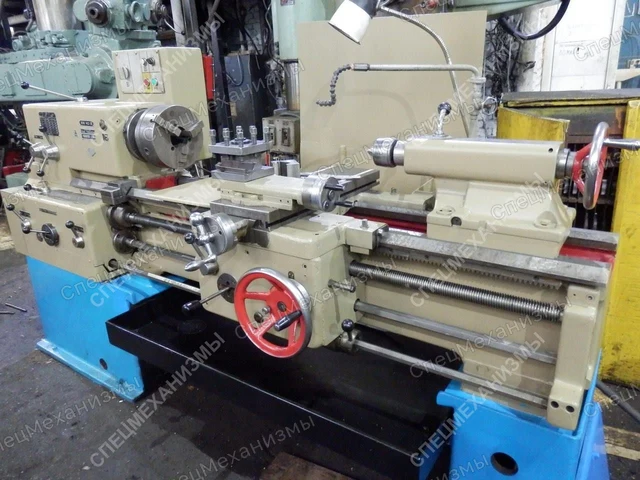 Availability to be confirmed
Screw-cutting lathes
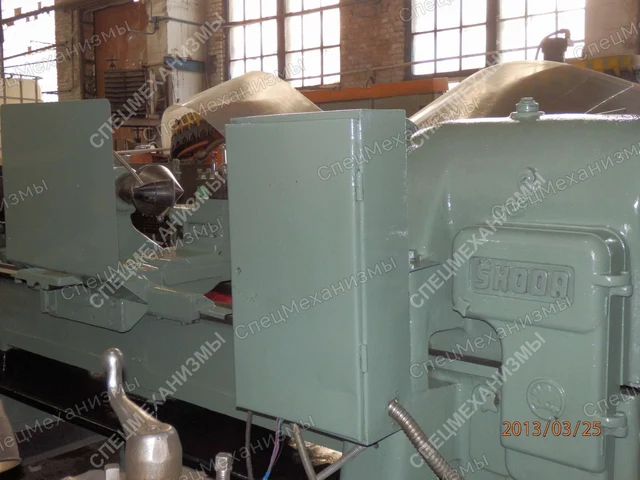 Availability to be confirmed
Screw-cutting lathes
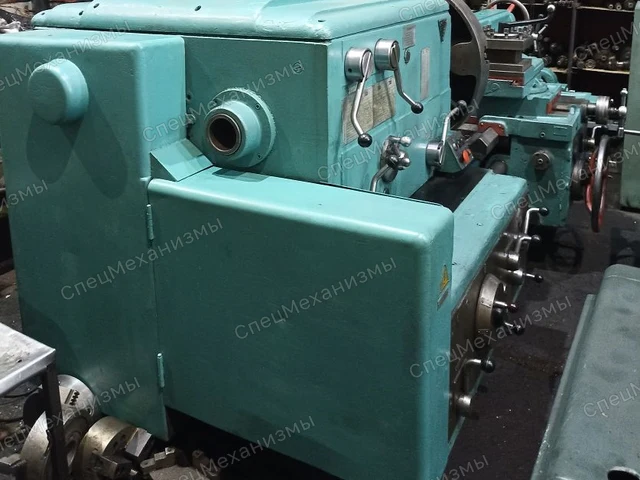 Availability to be confirmed
Screw-cutting lathes
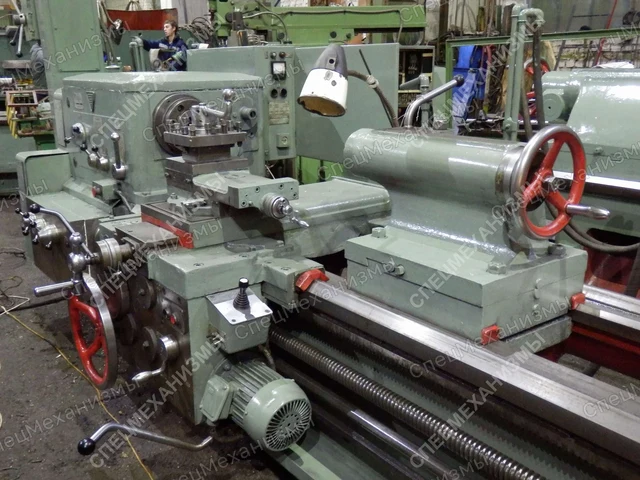 Availability to be confirmed
Screw-cutting lathes
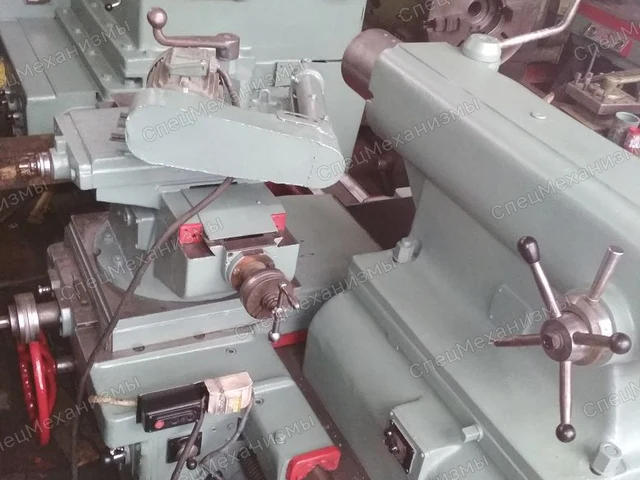 Availability to be confirmed
Screw-cutting lathes
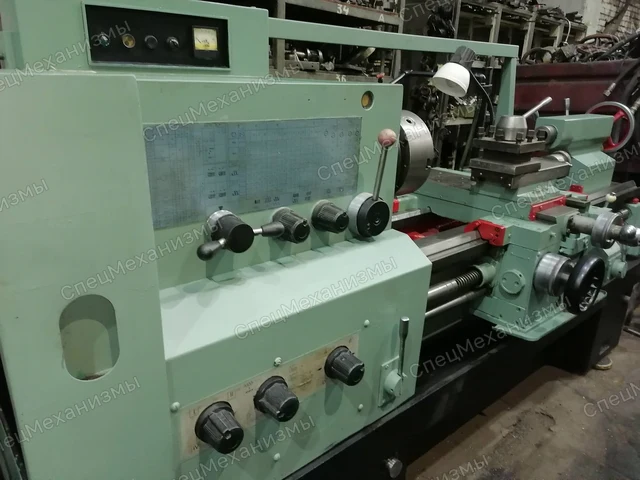 Availability to be confirmed
Screw-cutting lathes
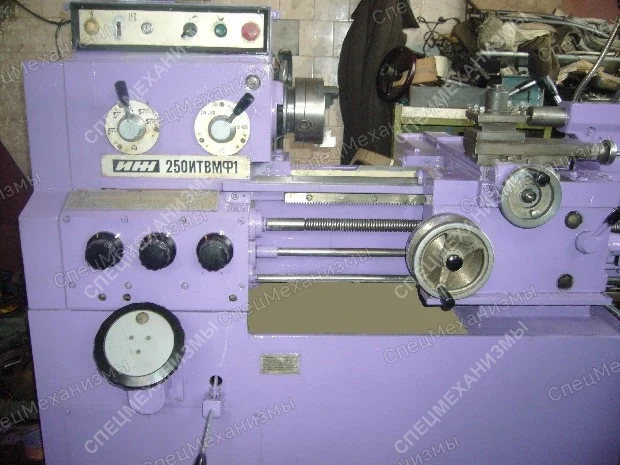 Availability to be confirmed
Screw-cutting lathes
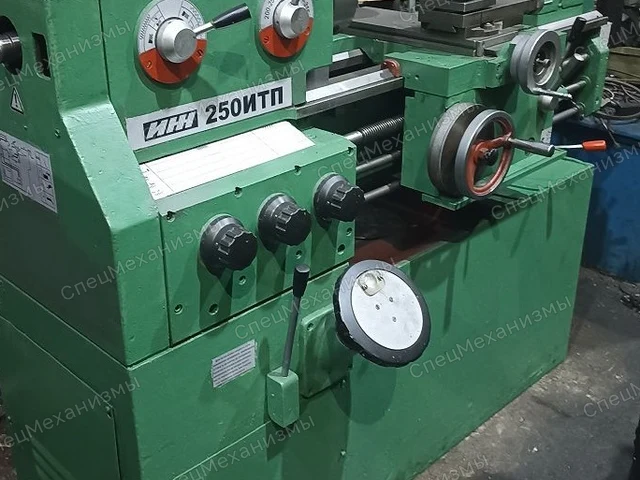 Availability to be confirmed
Screw-cutting lathes
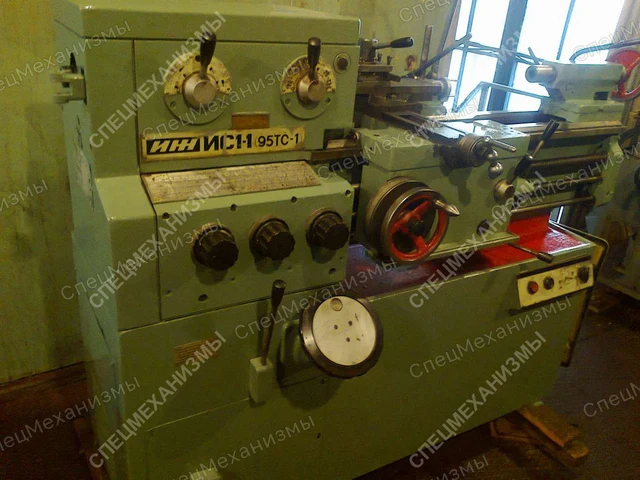 Availability to be confirmed
Screw-cutting lathes
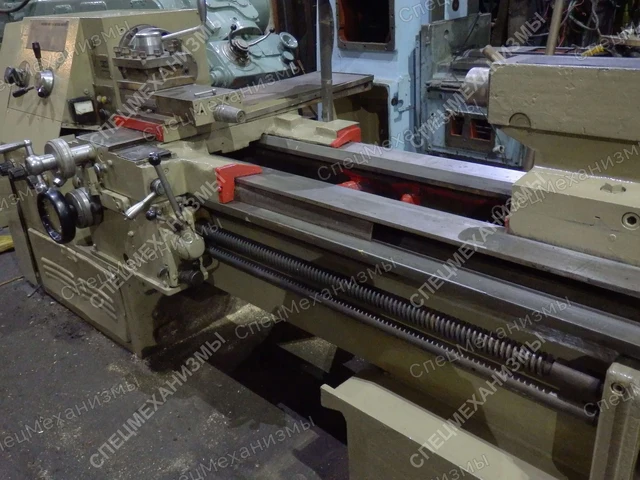 Availability to be confirmed
Screw-cutting lathes
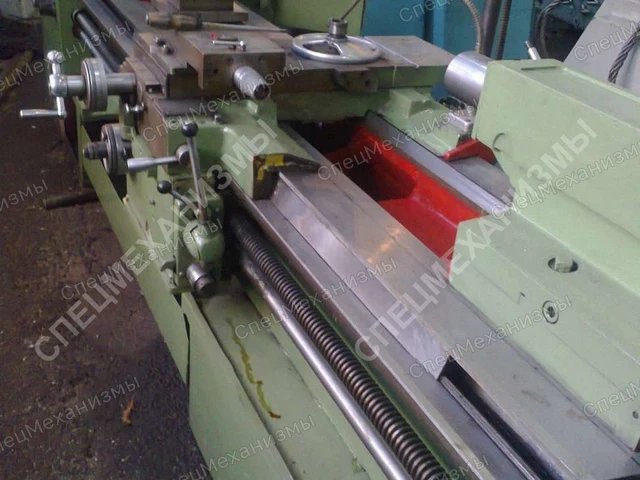 Availability to be confirmed
Screw-cutting lathes
Metalworking equipment processes metal workpieces into finished parts. Equipment types differ according to how the material is processed. One type is the metal-cutting machine tool, which removes material to produce parts of the required shape and size. The term is conventional: these machines can also process materials other than metal.
Metal-cutting equipment includes lathes, milling machines, drilling machines, cutting-off machines, grinders, horizontal boring machines, jig boring machines and other types, both Russian-made and imported.
Metalworking equipment includes any equipment or tools used to shape, cut or join metal parts and components. Its applications range from simple hand tools such as hammers and chisels to high-precision CNC machines and lasers.
Main equipment types include:
Basic manually operated machines used for everyday tools and small projects include drills and lathes. Drilling equipment is used to cut material into small parts or make holes. A lathe rotates a workpiece so that the operator can shape it with a cutting tool. Such machines are often used to make precision parts or small components such as threaded screws and nuts.
More advanced manually operated machine types include shapers, planers and grinders. Shapers cut forms in metal using a reciprocating ram. Planers machine flat surfaces on metal objects. Grinders smooth and shape metal components, using either manual operation or precision CNC control.
High-precision metalworking equipment is widely used for CNC machining in industrial production. Computer control allows the operator to control machining parameters such as speed, movement and cutting-tool pressure. CNC machines commonly have a chuck to hold the material and can be programmed to cut different shapes and sizes.
Robotic welders, lasers and plasma cutters are among the most advanced forms of metalworking equipment. Welding robots are designed specifically for joining metal components in factories, while lasers and plasma cutters make precise cuts in complex shapes and sizes.
Metalworking equipment can support a wide range of projects. From simple hand tools to robots and CNC systems, these machines play a central role in producing parts and products.
Include the model, task, city and country. Attach photos and documents in your email or messaging app.
Include the model, task, city and country. Attach photos and documents in your email or messaging app.