
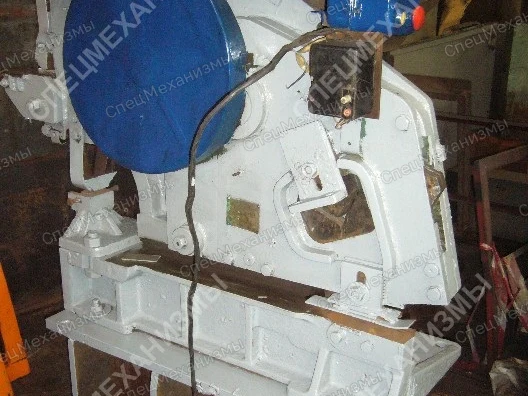
 Availability to be confirmed
Combination shears, model С229
Combined shears
- Types and dimensions of material cut
- Bar, section and sheet stock
- Rolled stock:
Results: 39
Availability to be confirmed
Combined shears
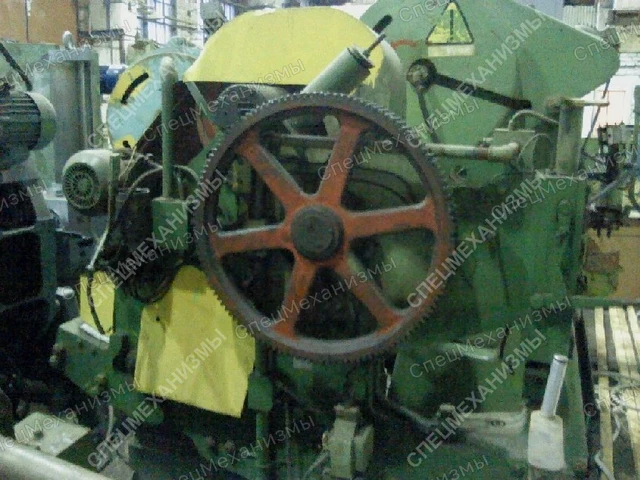 Availability to be confirmed
Combined shears
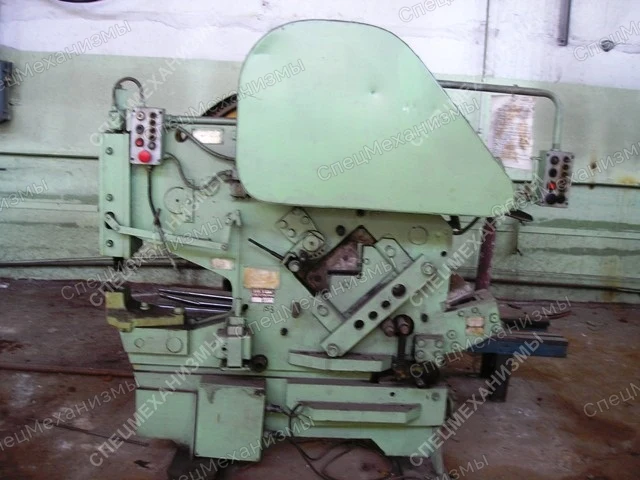 Availability to be confirmed
Combined shears
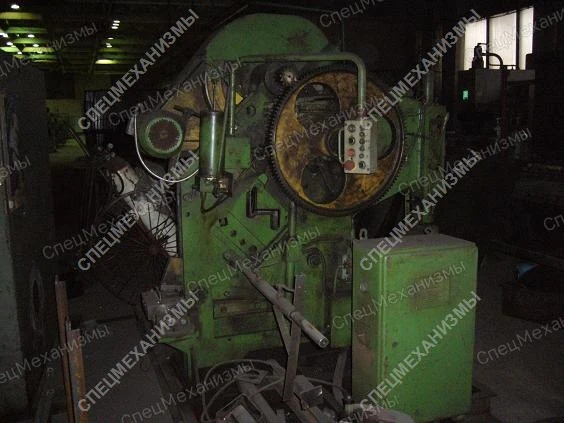 Availability to be confirmed
Combined shears
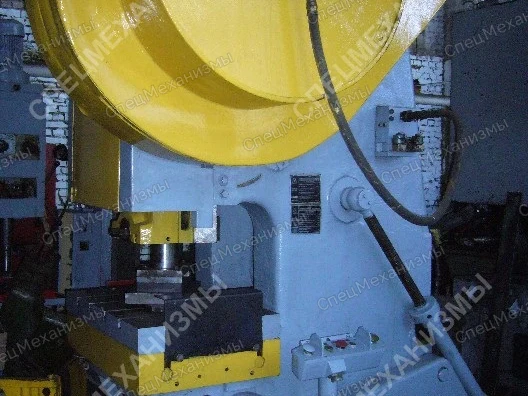 Availability to be confirmed
Crank and connecting rod presses
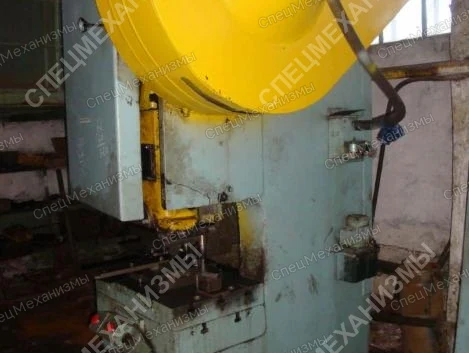 Availability to be confirmed
Crank and connecting rod presses
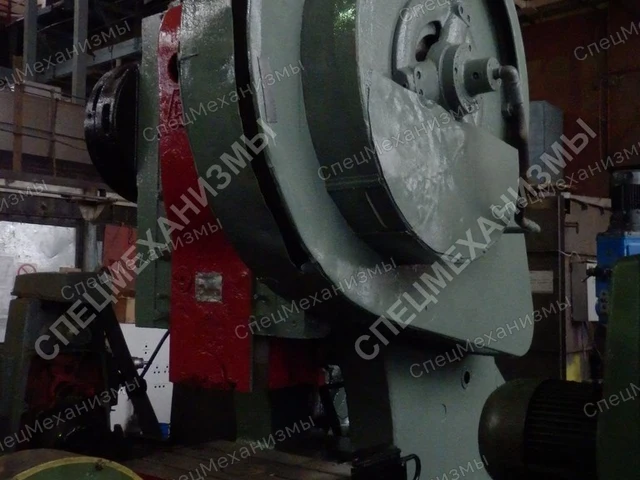 Availability to be confirmed
Crank and connecting rod presses
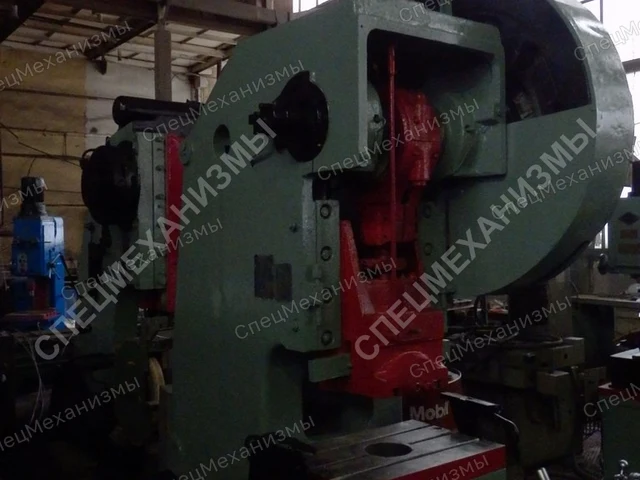 Availability to be confirmed
Crank and connecting rod presses
 Availability to be confirmed
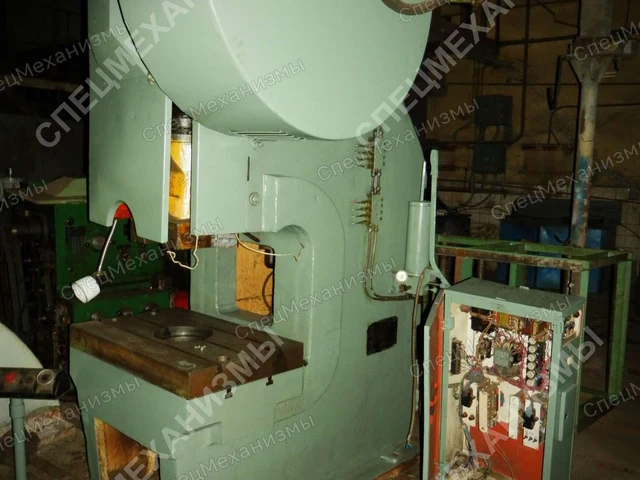
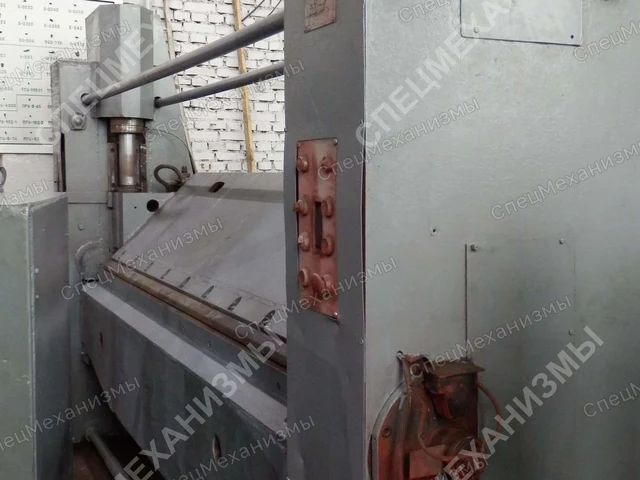
Crank and connecting rod presses
 Availability to be confirmed
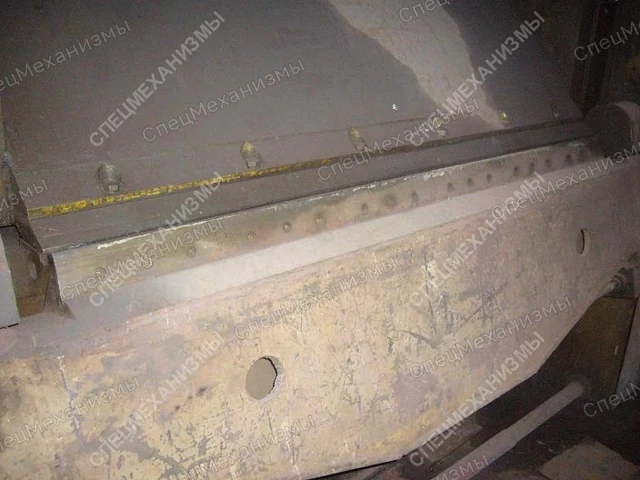
Folding beam sheet bending machines
 Availability to be confirmed
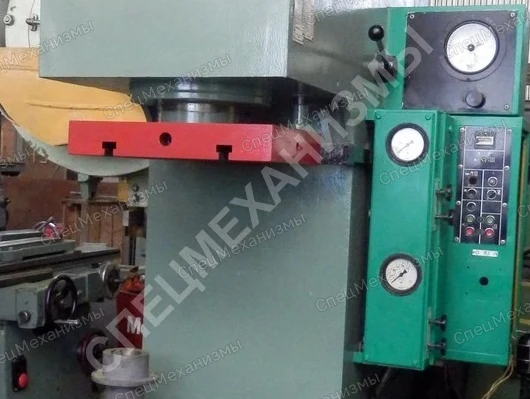
Folding beam sheet bending machines
 Availability to be confirmed
Hydraulic presses
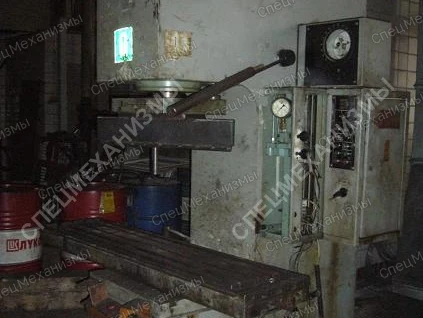 Availability to be confirmed
Hydraulic presses
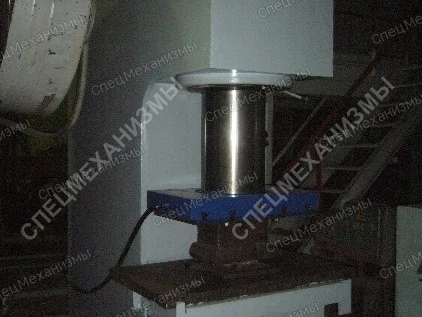 Availability to be confirmed
Hydraulic presses
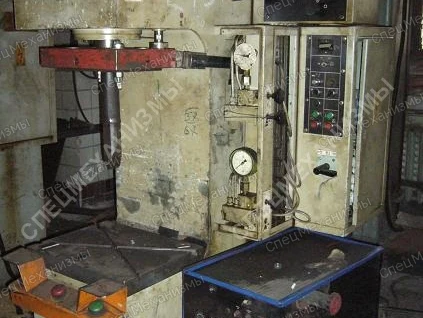 Availability to be confirmed
Hydraulic presses
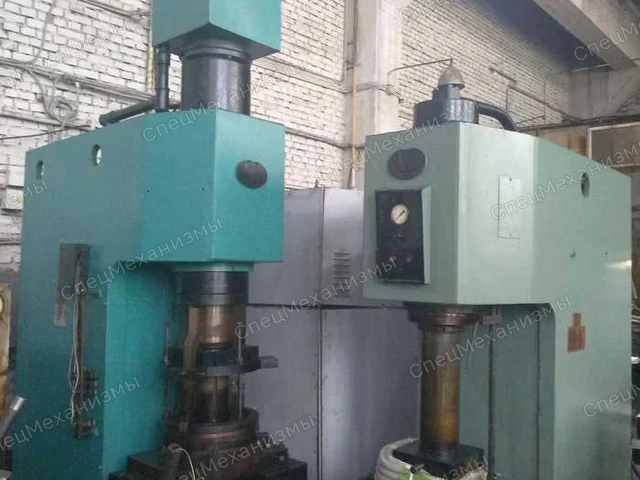 Availability to be confirmed
Hydraulic presses
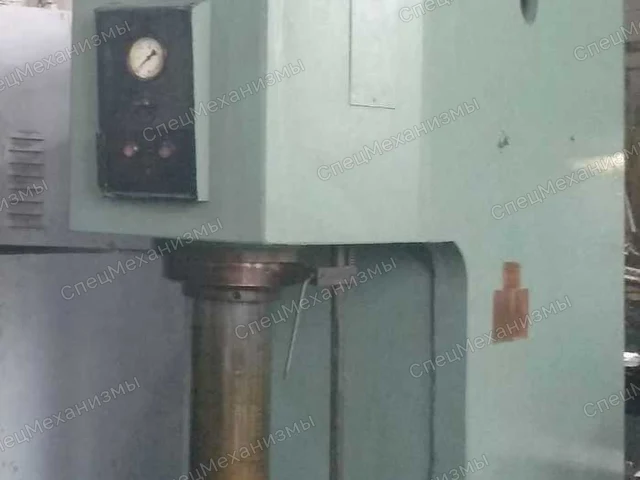 Availability to be confirmed
Hydraulic presses
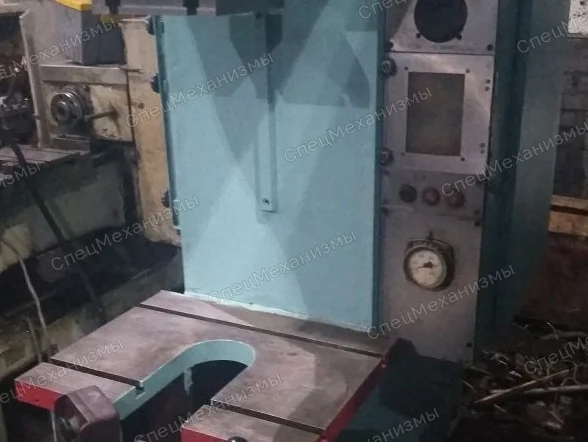 Availability to be confirmed
Hydraulic presses
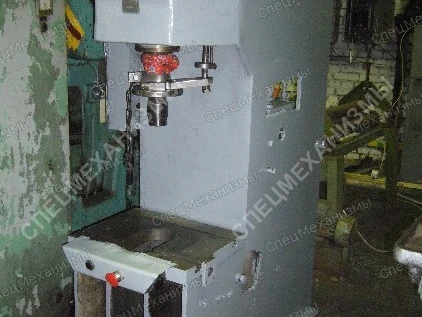 Availability to be confirmed
Hydraulic presses
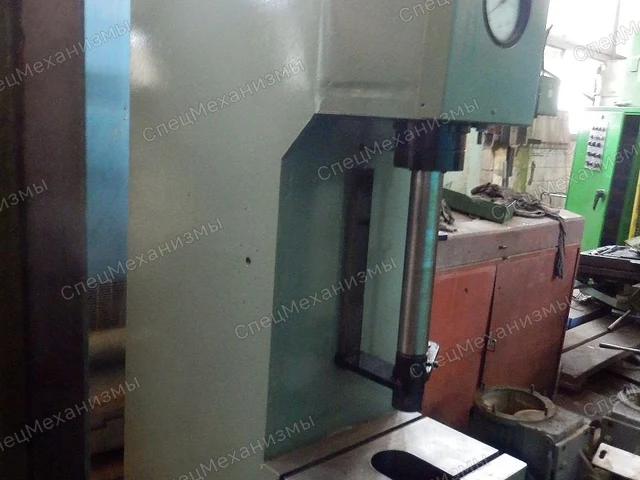 Availability to be confirmed
Hydraulic presses
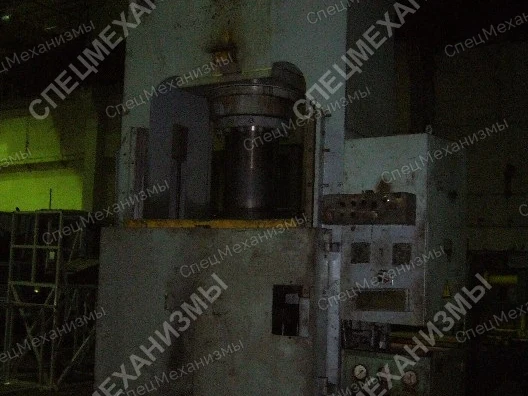 Availability to be confirmed
Hydraulic presses
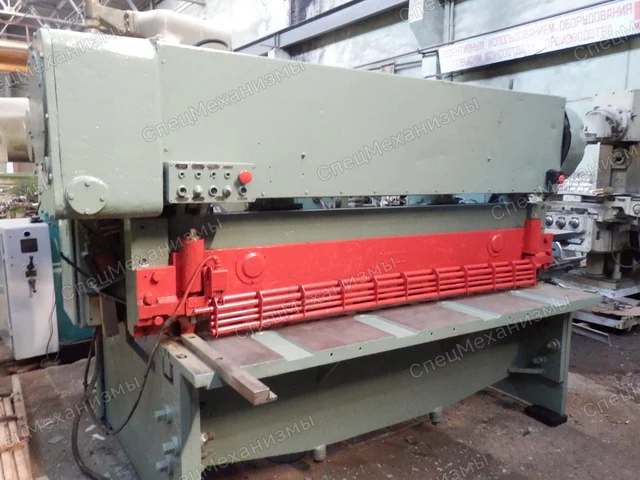 Availability to be confirmed
Guillotine shears
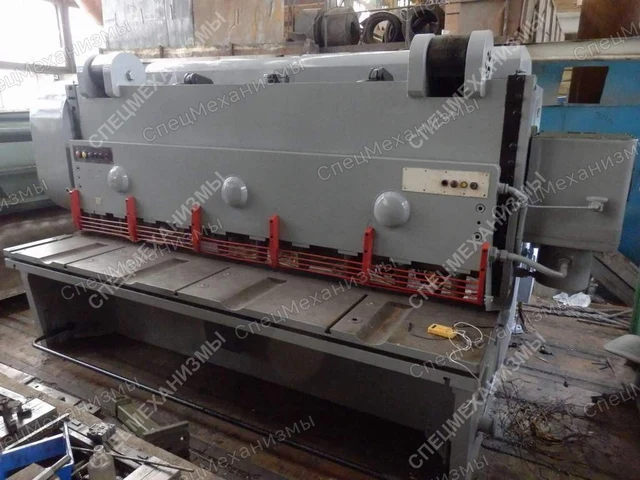 Availability to be confirmed
Guillotine shears
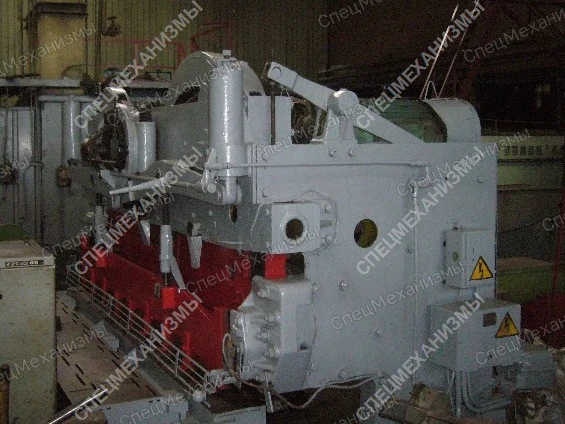 Availability to be confirmed
Guillotine shears
The main types of forging and pressing equipment are:
• Sheet-metal benders — designed for bending sheet material
• Hydraulic presses — designed for pressing in, piercing, sizing, straightening and sheet-metal stamping without deep drawing
• Crank presses — designed for impact forming of workpieces
• Stock preparation equipment — designed for cold rolling of various profiles, precision fastener threads and trapezoidal threads.
• Ironworkers — designed for cutting reinforcing steel
• Combined section shears — designed for cutting rolled sections, punching holes and notching open slots.
• Bending rolls are designed to form cylindrical shells from sheet material
• Duct manufacturing equipment is designed for operations such as edge flanging and seam closing
• Sheet levelling machines are designed to straighten rolled sheet metal
• Baling presses are used to compact metal scrap into forms convenient for feeding.
Machines for forging and stamping operations are widely used in metalworking. At mechanical engineering and metal product manufacturing plants, there is one forming machine for every 5 metal-cutting machines. Forging and pressing equipment can be purchased from СЛТ.
There are many designs and configurations of forging and stamping equipment. For convenience, it is classified by various criteria:
• By workpiece temperature: machines for forging, hot stamping, cold sheet stamping and cold bulk forming;Other classification criteria (the arrangement of main assemblies, control method, etc.) are secondary.
There is some terminological confusion in the names of certain types of forging and pressing equipment, caused by differences in the names of manufacturing processes used in domestic and foreign literature.
Forging, a hot pressure-forming operation on individual workpieces, differs from hot die forging because the latter requires tooling in the form of a die. Forging equipment is used for blank preparation operations such as upsetting, flattening and open-die piercing; the resulting semi-finished product is then processed by various methods. Consequently, forging equipment does not require high accuracy, only sufficient forming power.
Hot metal forging is performed using forging hammers and hydraulic presses. Large forging hammers may use steam or compressed air as the energy medium; small hammers use only compressed air. Gas and hydraulic hammers are rarely used. Hammers generally have a vertical layout.
Hydraulic presses are large machines used for hot forging exceptionally large workpieces, such as an ocean-going ship's propeller shaft. Such a workpiece will not fit in a hammer, so deformation is carried out by a forging press slide.
Hot stamping is more accurate than forging, so in many cases a stamped part requires no subsequent finishing.
In addition to die-forging hammers, hot-forging equipment includes forging bulldozers, crank-driven hot-forging presses and automatic hot-forging machines.
Die forging hammers differ from open-die forging hammers through lower impact energy and a more rigid construction linking the anvil block, bolster plate and hammer columns into a single structural system.
Hot forging is usually performed from a single heating, requiring a high deformation speed. All steam-air die-forging hammers are therefore double-action hammers, in which the ram is additionally accelerated by the main energy medium.
Screw presses are used to produce aluminium alloy forgings, small and medium steel forgings, and products with thin ribs and webs. Their easy operation, automation capability and low cost have also led to widespread use in cold stamping.
Forging bulldozers (horizontal bending machines) are used for hot bending of thick strip workpieces. They have a simple design and good operating characteristics. They are mainly used in medium- and small-batch production because their output is relatively low.
Cold-stamping equipment is classified by the operations performed, including:
• Sheet-metal stamping;
• Stamping from strip or ribbon;
• Sheet-metal forming operations (drawing, bending);
• Cold die forging (extrusion, heading);
• Combined sheet stamping (sheet processing centres).
Crank or rotary disc shears are used for blank preparation. Crank shears can cut both bars and shaped rolled sections; rotary disc shears are used only for slitting thin sheet metal.
Cold sheet stamping is performed on vertical mechanical or hydraulic presses. Mechanical presses differ in the following characteristics:
• By number of cranks (one, two or four);
• By frame design (open or closed);
• By number of columns (one or two);
• By the presence or absence of stamping automation assemblies;
• By number of slides (single- or double-action).
Vertical open-frame single-crank presses are used for sheet stamping operations that require only a short slide stroke, such as punching, blanking, bending and shallow drawing. Double-action presses are used for deep drawing.
Large workpieces requiring relatively low forming forces are processed on open-frame double-crank presses; for significant deformation forces, closed-frame crank presses are used.
Hydraulic presses are used less often in cold stamping because their productivity is lower.
For ease of operation, presses are equipped with automatic feeds, ejectors and feeding devices.
Sheet processing centres form a separate category of cold-stamping forging and pressing equipment. They are especially effective in small-batch production, where several parts of different shapes are stamped simultaneously from the same sheet, mainly by blanking and punching.
Cold die-forging equipment is divided into two groups: cold extrusion presses and automatic cold heading machines.
Vertical presses, and less commonly horizontal presses, with mechanical or hydraulic drives are used for cold extrusion. Cold extrusion requires high forming forces and substantial equipment rigidity, so a crank-toggle mechanism replaces the conventional crank arrangement. This relatively compact design provides the loads required to deform the workpiece.
Cold heading is a technology adapted to mass production of bolts, nuts, screws and other fasteners, so it is performed exclusively on automated equipment. Automatic machines are available for producing shank parts and for cold heading short products.
For further information, please contact us by phone or email.
Include the model, task, city and country. Attach photos and documents in your email or messaging app.
Include the model, task, city and country. Attach photos and documents in your email or messaging app.